Beyond Location: Empowering Families with the phone tracker app Geozilla for Complete Digital Safety.
In today’s interconnected world, ensuring the safety and well-being of loved ones is a paramount concern for many families. Parents, in particular, often seek methods to stay informed about their children’s whereabouts and activities, fostering a sense of security and peace of mind. The increasing accessibility of technology offers solutions, and one prominent tool gaining traction is the phone tracker app Geozilla. This innovative application utilizes the power of mobile technology to enable real-time location tracking, providing families with an extra layer of reassurance and a valuable tool for emergency situations. But it’s not just about knowing where someone is; it’s about building trust and enabling responsible independence.
Geozilla, and applications like it, represent a shift in how families approach safety. Beyond simply monitoring location, these apps offer a range of features designed to promote open communication and proactive safety measures. Understanding the capabilities and ethical considerations surrounding these technologies is crucial for families navigating the digital age.
Understanding the Core Functionality of Location Tracking
At its most basic level, a phone tracker app like Geozilla operates by utilizing a device’s GPS capabilities to pinpoint its location. This information is then transmitted to a designated account, allowing authorized users to view the device’s whereabouts on a map. However, modern location tracking extends far beyond simple pinpointing. Advanced features often include geofencing, which allows users to set up virtual boundaries and receive notifications when a device enters or exits those areas. This is especially useful for parents wanting to know when their children arrive at school, a friend’s house, or return home. Real-time tracking provides continuous updates, while historical data allows users to review past locations, which can be helpful in specific circumstances. This level of detail grants greater control and information, enabling proactive safety measures.
| Feature |
Description |
Benefits |
| GPS Tracking |
Uses satellite signals to determine precise location. |
Accurate and reliable location data. |
| Geofencing |
Creates virtual boundaries and sends alerts. |
Increased awareness of location entries and exits. |
| Real-time Tracking |
Provides continuous location updates. |
Immediate knowledge of a device’s whereabouts. |
| Historical Data |
Stores location history for review. |
Provides insights into past movements and patterns. |
The Importance of Privacy and Consent
While the benefits of location tracking are undeniable, it’s crucial to address the ethical considerations surrounding privacy. Tracking someone without their knowledge or consent is a breach of trust and can have significant legal ramifications. Transparency is key – individuals being tracked should be fully aware of the practice and understand how their location data is being used. A healthy dialogue about boundaries and expectations is essential. Using a phone tracker app should never be a substitute for open communication and building a strong relationship based on trust. Framing the use of such an app isn’t as about control but about safety and mutual respect is key. The debate around privacy versus safety is ongoing, but responsible usage must prioritize ethical considerations.
It’s also important to consider data security. Reputable apps employ encryption and robust security measures to protect location data from unauthorized access. Families should research and select apps with a proven track record of data privacy. Furthermore, users should regularly review the app’s privacy policy and understand how their data is being handled.
Balancing the desire for safety with the right to privacy is a delicate act, and it requires open communication and a commitment to using location tracking tools responsibly and ethically. Ignoring these considerations can erode trust and create a climate of suspicion, ultimately undermining the very goal of ensuring safety and well-being.
Beyond Location: Expanding Safety Features
Modern phone tracker apps, like Geozilla, have evolved beyond simple location monitoring, incorporating a range of features designed to enhance overall safety. These can include SOS buttons that allow users to send immediate alerts to emergency contacts, often including their location. Some apps also offer the ability to monitor app usage, providing insights into the types of content a child is accessing online. This can be valuable for parents concerned about exposure to inappropriate materials. Furthermore, certain applications provide features like speed monitoring, alerting parents if a child is driving too fast. These additional features transform a simple tracking app into a comprehensive safety suite.
- SOS Alerts: Immediate emergency notifications with location data.
- App Usage Monitoring: Insight into the apps being used on a device.
- Speed Monitoring: Alerts for excessive speed while driving.
- Low Battery Notifications: Notifications when a device’s battery is running low.
Choosing the Right Phone Tracker App
The market is saturated with phone tracker apps, each offering a slightly different set of features and pricing plans. Selecting the right app requires careful consideration of your specific needs and priorities. Factors to consider include the accuracy of the location tracking, the range of features offered, the user-friendliness of the interface, and the level of customer support provided. It’s crucial to read reviews and compare different options before making a decision. Be wary of apps that make exaggerated claims or offer unrealistic features. Look for apps that prioritize data security and transparency. A reputable app will clearly outline its privacy policy and provide robust security measures. Consider what devices it’s compatible with, as cross platform applications can be valuable.
Furthermore, evaluate the pricing structure. Some apps offer a free basic version with limited features, while others require a subscription fee. Determine which features are essential for your needs and choose an app that offers a balance between functionality and affordability. Free apps can be appealing, but they are often supported by advertising and may have limitations regarding privacy and data security.
The best phone tracker app is one that reliably performs its core functions, respects user privacy, and provides peace of mind without being intrusive or overly complicated. Taking the time to research your options and carefully consider your needs will ensure you choose the right tool for your family.
Navigating the Legal Landscape and Responsible Usage
The legal implications of using a phone tracker app are an important consideration. Laws regarding location tracking vary by jurisdiction, and it’s essential to be aware of the regulations governing its use in your area. Generally, tracking someone without their consent is illegal. However, there are exceptions, such as tracking a minor child with parental consent or in emergency situations. It’s always advisable to consult with legal counsel to ensure compliance with local laws. Ignoring these legal considerations can lead to serious consequences, including fines or legal action. Responsible usage involves respecting individual privacy rights and adhering to the legal framework.
- Always obtain consent before tracking someone’s location.
- Be transparent about how location data is being used.
- Comply with all applicable laws and regulations.
- Protect location data from unauthorized access.
- Use tracking tools to enhance, not replace, open communication.
The Future of Location Tracking and Family Safety
The technology surrounding location tracking is constantly evolving. We can expect to see further advancements in accuracy, features, and data security in the years to come. Artificial intelligence and machine learning are likely to play a greater role, enabling more sophisticated safety features, such as predicting potential risks based on location patterns. Integration with other smart home devices and wearable technology could create a more seamless and comprehensive safety ecosystem. However, with these advancements, the ethical considerations surrounding privacy and responsible usage will become even more critical. The conversation about balancing freedom and security will continue to evolve, and it’s important for families to stay informed and engaged in shaping the future of this technology.
The long-term trend will be towards proactive safety solutions that empower individuals and families to make informed decisions and mitigate risks. The phone tracker app Geozilla, and applications like it, will remain a valuable tool, but they will be most effective when used responsibly and ethically, in conjunction with open communication and a strong foundation of trust.
Ultimately, technology serves as an enabler, but strong family relationships built on trust, respect, and open communication are the cornerstones of true safety and well-being. While apps like Geozilla can offer peace of mind, they are not a substitute for meaningful connection and proactive parenting.

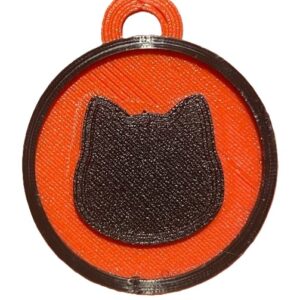 Dattag genérico Gatito.
1 × $10.000
Dattag genérico Gatito.
1 × $10.000  Dattag genérico Patita.
1 × $10.000
Dattag genérico Patita.
1 × $10.000 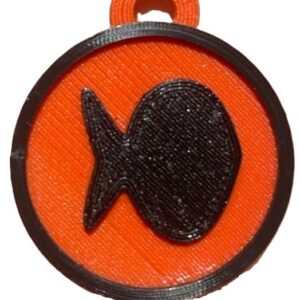 Dattag genérico Pececito.
1 × $10.000
Dattag genérico Pececito.
1 × $10.000  Dattag genérico Huesito.
1 × $10.000
Dattag genérico Huesito.
1 × $10.000  David Chandia