Exploring the psychology behind casino game choices
The allure of chance: Understanding player motivations
The psychology behind why people choose specific casino games often revolves around the thrill associated with chance. Players are attracted to the unpredictability of outcomes, which elicits a rush of adrenaline and excitement. For many, the element of luck is a compelling reason to engage, as it allows them to fantasize about big wins and life-changing moments. This allure can often overshadow the reality of odds and expected returns, making games of chance particularly appealing. As Missouri prepares to embrace this trend, the availability of missouri sports betting apps offers a new way for players to engage with their favorite games.
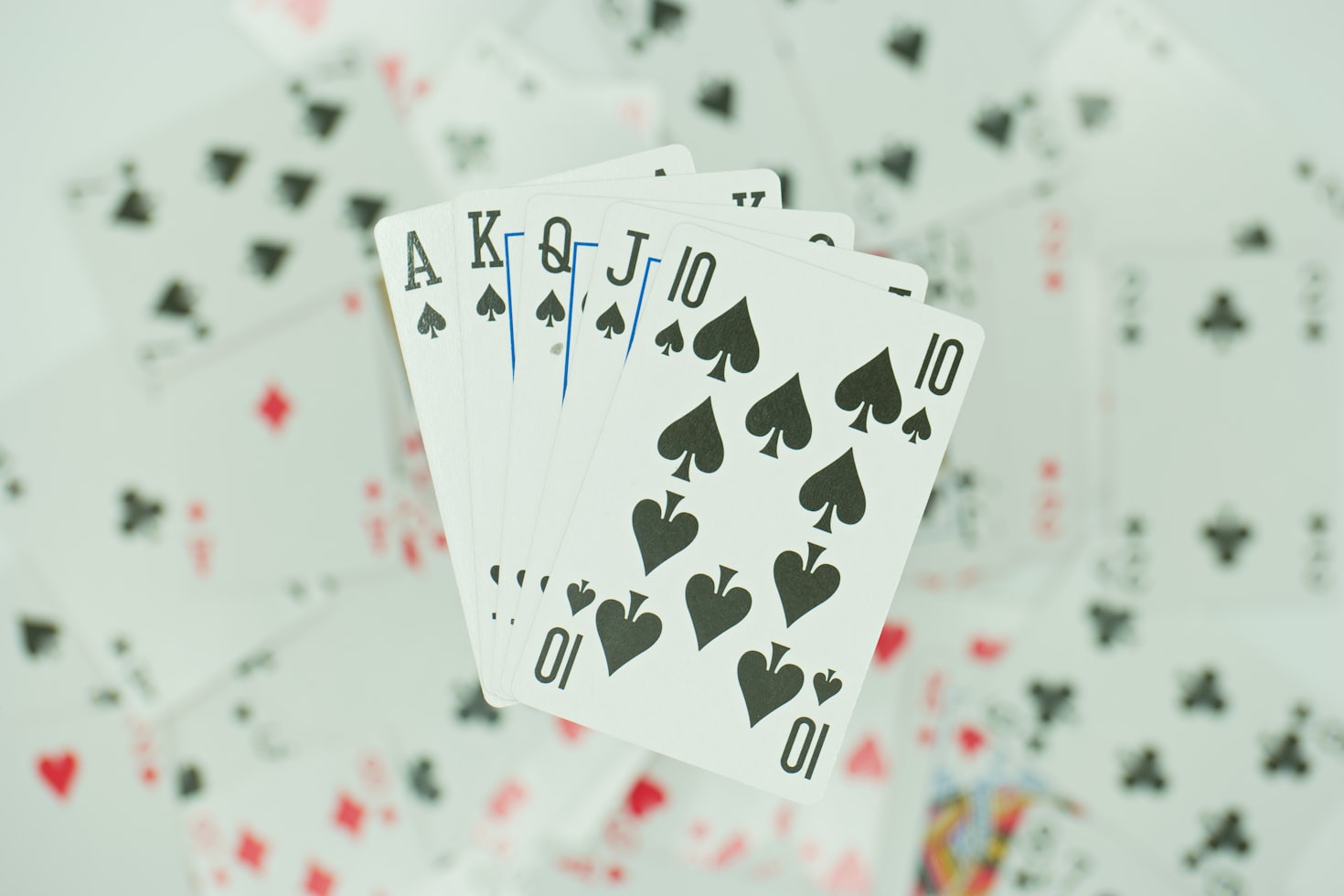
Additionally, personal motivations play a significant role in driving game choices. Some individuals may gravitate toward games that require skill, seeking to leverage their abilities in strategic maneuvers, while others may prefer the simplicity of pure chance games, where the lack of complexity offers a more relaxed experience. Understanding these varied motivations helps to explain why different players have distinct preferences within the casino environment.
The impact of social dynamics
Casino games are often social endeavors, with players influenced by the collective dynamics of their surroundings. Social interactions can enhance the enjoyment of games, as camaraderie develops among players, fostering a sense of belonging. Many individuals choose games that are typically played in groups, such as poker or blackjack, where social engagement is integral to the experience. This communal aspect can amplify the excitement and satisfaction derived from playing.
Moreover, peer influence can significantly shape individual choices. Observing friends or fellow gamblers having fun or winning can create a bandwagon effect, encouraging others to join specific games. As such, the social environment within casinos can be a powerful factor in determining which games players opt for, further illustrating the intersection between psychology and gambling behavior.
The role of cognitive biases
Cognitive biases also play a critical role in how players approach their casino game choices. One common phenomenon is the illusion of control, where individuals believe they can influence the outcome of a game, particularly in games perceived as skill-based. This false sense of mastery can lead players to favor certain games based on misguided beliefs about their capabilities. Such biases can skew decision-making, causing players to chase losses or persist in less favorable games.
Another cognitive bias prevalent in gambling is the gambler’s fallacy, where players assume that past outcomes affect future results—such as believing that a slot machine is “due” for a win after a series of losses. These biases underscore the importance of psychological factors in gambling, often leading players to make irrational choices that may not align with sound statistical reasoning.
Emotional connections to gaming choices
Emotions significantly influence casino game selections, with varying games eliciting different emotional responses. For example, high-stakes games can provoke feelings of excitement and anxiety, while more casual games may provide a sense of relaxation and enjoyment. Many players seek games that resonate with their current emotional state, whether they are looking for an exhilarating rush or a tranquil escape from the stress of daily life.
The emotional attachment to certain games can also be rooted in personal experiences or memories. A player may prefer a specific slot machine because it reminds them of a joyful event or an enjoyable time spent with friends. These emotional connections deeply affect gaming preferences and can often lead to loyal engagement with particular games, highlighting the complex interplay between emotion and choice in the gambling landscape.
Your guide to informed gaming choices
Navigating the world of casinos and gambling can be overwhelming, but understanding the psychology behind game choices can empower players to make informed decisions. Awareness of motivations, social dynamics, cognitive biases, and emotional influences can help individuals reflect on their gaming habits and preferences, ultimately leading to a more fulfilling experience.
Whether you are a casual player or a seasoned gambler, embracing this knowledge allows for a more conscious approach to gaming. By recognizing the psychological factors at play, you can enhance your enjoyment of casino games and foster a healthier relationship with gambling as a whole.

 Dattag genérico Gatito.
1 × $10.000
Dattag genérico Gatito.
1 × $10.000  Dattag genérico Patita.
1 × $10.000
Dattag genérico Patita.
1 × $10.000  Dattag genérico Pececito.
1 × $10.000
Dattag genérico Pececito.
1 × $10.000  Dattag genérico Huesito.
1 × $10.000
Dattag genérico Huesito.
1 × $10.000  David Chandia